
The dashboard of a car is often perceived as just a simple set of gauges and warning lights. However, it plays a fundamental role in the safety and performance of the vehicle. From engine oil indicators to brake warning lights, each signal is important and can prevent costly breakdowns or accidents.
When a warning light comes on, make sure to understand its meaning. Sometimes, a simple adjustment is enough, but other times it may indicate a more serious problem requiring immediate attention. Ignoring these alerts can lead to disastrous consequences for the vehicle and its occupants.
The different dashboard lights and their meanings
The dashboard of a car is filled with warning lights, each having a specific meaning. The lights come in different colors, mainly green, blue, orange, and red, each signaling a distinct level of severity.
Green lights generally indicate activated or ongoing features, such as low beam headlights, parking lights, and turn signals. These lights do not signal an emergency but rather a normal operational state of the vehicle.
Blue lights are often limited to high beam headlights and certain specific systems like fog lights. Like green lights, they do not require immediate intervention.
Orange lights, on the other hand, deserve special attention. They indicate a malfunction or alert that needs to be addressed quickly. For example, the orange triangle light on the Peugeot 207 can signal an electronic engine fault, insufficient tire pressure, or a low fuel level. Ignoring these lights can lead to more serious mechanical issues.
Red lights are the most critical and require immediate action. Among them are alerts for brake fluid level, brake circuit pressure, battery charge, and coolant temperature. These lights indicate failures that can endanger the safety of the driver and passengers.
- Green light: low beam headlights, parking lights, turn signals
- Blue light: high beam headlights, fog lights
- Orange light: ESP system, electronic engine fault, tire pressure
- Red light: brake fluid level, brake circuit pressure, battery charge
The dashboard, a true control center, must be monitored closely. Early detection of alerts can prevent costly breakdowns and ensure the safety of everyone on the road. 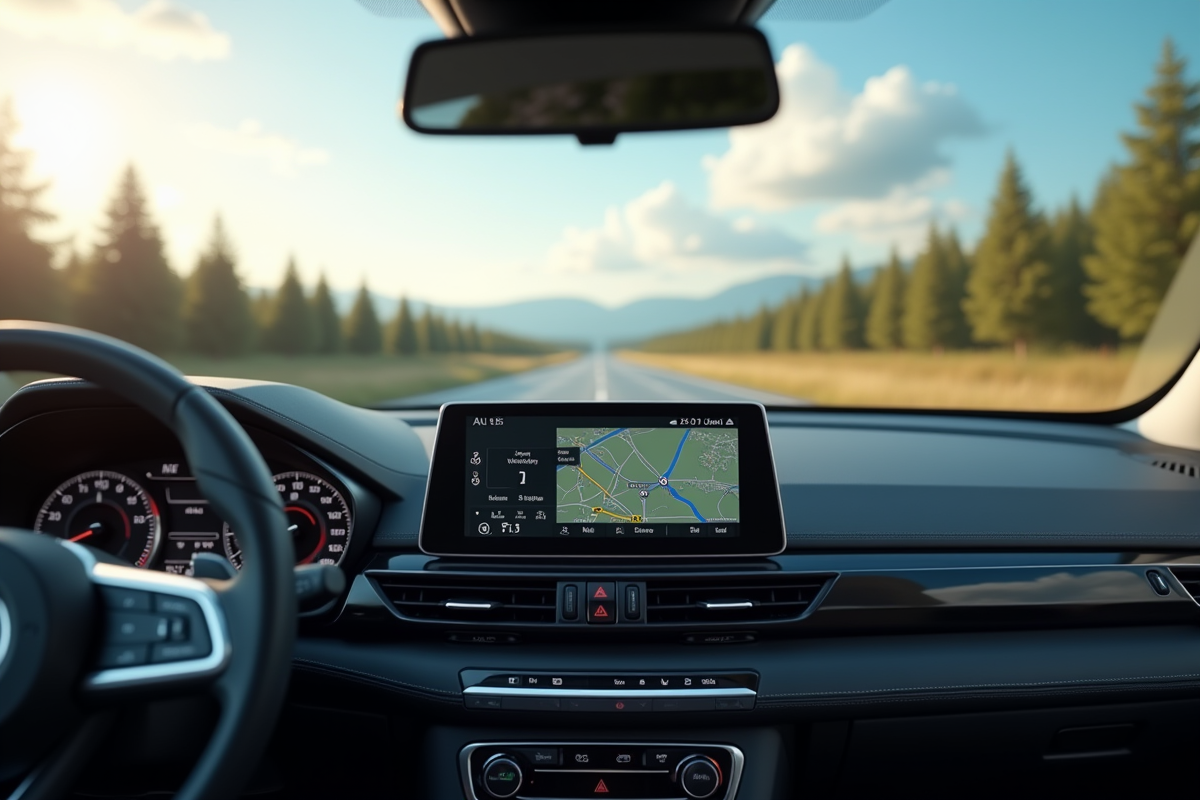
Actions to take in case of a dashboard alert
When the dashboard of a car lights up with orange or red warning lights, a series of precise actions is necessary to ensure the safety and proper functioning of your vehicle. The lights are detected by sensors carefully placed in various systems of the car, signaling potential anomalies.
For orange lights, follow these steps:
- Consult the owner’s manual: each light is described with its possible causes and recommended actions.
- Check fluid levels: engine oil, brake fluid, and coolant.
- Monitor tire pressure: insufficient pressure can trigger an orange light.
If a red light comes on, stop as soon as it is safe to do so. These lights often indicate serious problems requiring professional intervention. Here’s what you should do:
- Turn off the engine and check critical fluid levels: engine oil, brake fluid, and coolant.
- Contact a mechanic: a red light often signals a major malfunction that should not be ignored.
- Do not restart the vehicle until the problem has been identified and resolved.
By following these steps, you can prevent costly breakdowns and ensure the safety of all occupants of the vehicle. Follow the recommendations in the owner’s manual, and in case of doubt, consult a qualified professional.