Navigating the world of Anglo-Saxon measurements can quickly become a puzzle for those accustomed to the metric system. At first glance, understanding feet, inches, miles, pounds, and gallons requires some adjustment time. However, it is possible to get by without a calculator by learning a few tricks and memorizing key equivalences.
For example, knowing that a foot is approximately 30.48 cm, or that a mile equals 1.609 km, can greatly facilitate mental conversions. Similarly, remembering that a pound corresponds to about 0.454 kg and that a US gallon is about 3.785 liters helps better understand everyday Anglo-Saxon measurements.
Understanding Anglo-Saxon Units of Measurement
The Anglo-Saxon measurement system, primarily used in the United States and the United Kingdom, differs greatly from the metric system. To navigate this maze of measurements, familiarize yourself with a few basic conversions.
In terms of distance, the commonly used units are inches, feet, and miles. An inch is approximately equal to 2.54 cm, a foot to 30.48 cm, and a mile to 1.609 km. For area, the square foot (ft²) and square yard (yd²) are references. A square foot corresponds to the area of a large tile while a square yard represents the size of a small rug.
Volumes are often measured in US gallons (approximately 3.785 liters) and fluid ounces (oz). One fluid ounce is about 29.57 ml. For weights, there are several units:
- ounce (approximately 28.35 g)
- pound (approximately 0.454 kg)
- stone (approximately 6.35 kg)
Common Conversion Table
| Unit | Metric Equivalence |
|---|---|
| Inch | 2.54 cm |
| Foot | 30.48 cm |
| Yard | yard to meters |
| Mile | 1.609 km |
| Ounce (oz) | 28.35 g |
| Pound (lb) | 0.454 kg |
| Gallon (US) | 3.785 l |
Temperature is measured in Fahrenheit: to convert to Celsius, use the formula (°F – 32) × 5/9. For example, 32°F equals 0°C. These elements allow for a better understanding of Anglo-Saxon units and facilitate conversions without a calculator.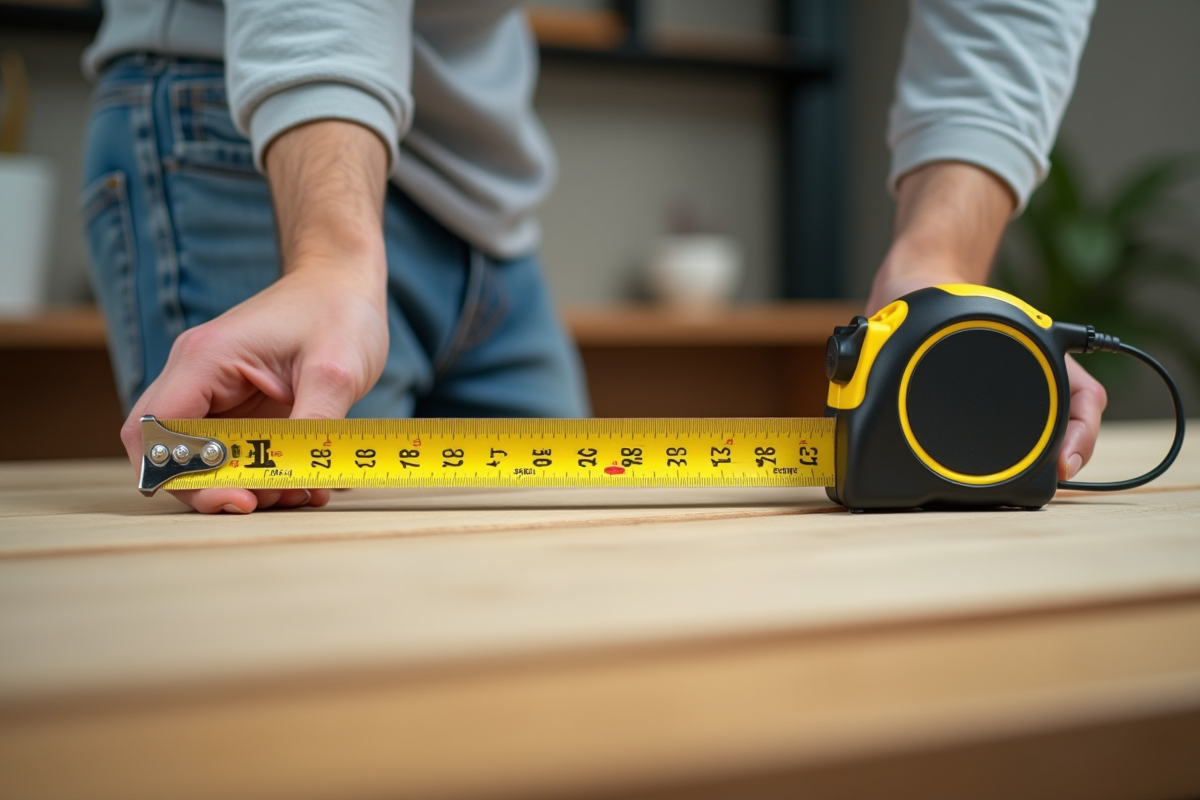
Techniques for Converting Without a Calculator
To convert distances without a calculator, use simple approximations. For example, 1 mile is approximately equal to 1.6 km. To convert 5 miles to kilometers, simply multiply by 1.6, which gives about 8 km.
For volumes, use direct relationships: 1 US gallon is approximately equal to 3.785 liters. In cooking, 1 tablespoon (tbsp) is roughly equal to 15 ml, and 1 teaspoon (tsp) is about 5 ml. To convert quickly, remember that 3 teaspoons make 1 tablespoon.
- 1 inch ≈ 2.54 cm
- 1 foot ≈ 30.48 cm
- 1 yard ≈ 91.44 cm
- 1 mile ≈ 1.609 km
For temperatures, the conversion between Celsius and Fahrenheit relies on the formula: (°F – 32) × 5/9. For example, a temperature of 68°F converts as follows: (68 – 32) × 5/9 ≈ 20°C. For quicker calculations, use reference points: 32°F corresponds to 0°C and 212°F to 100°C.
Speeds are also subject to frequent conversions. To convert miles per hour (mph) to kilometers per hour (km/h), use the conversion factor of 1.6. For example, 60 mph is approximately equal to 96 km/h.
To navigate the Anglo-Saxon measurement system without a calculator, familiarize yourself with these approximations and simple relationships. They will allow you to make quick and effective conversions in your daily life.