
Animal welfare is not limited to properly feeding a dog or vaccinating a cat. The definition adopted by Anses in 2018 describes it as a positive mental and physical state, related to the satisfaction of physiological and behavioral needs, as well as the expectations specific to each species. This approach, which integrates the psychological dimension, has gradually modified the French and European regulatory framework.
Government Action Plan 2026: What Changes for Pets and Exotic Animals
In September 2026, the Government presented a national action plan for animal protection. Several measures go beyond the laws passed between 2021 and 2024.
Sanctions for mistreatment move from the 4th to the 5th class of contraventions. An implementing decree now sets the penalties related to the ban on selling dogs and cats in pet shops, effective since 2024. The plan also includes the creation of a positive list of wild species that can be kept as pets, to regulate the ownership of exotic animals.
The financial aspect is not symbolic: a budget of 10 million euros is dedicated to supporting shelters and local structures, in response to a documented increase in abandonments. Controls on fairs, puppy shows, and online sales are strengthened to combat trafficking.
Another structural measure: a mandatory module on animal cruelty in the training of magistrates complements the judicial system. This point is rarely mentioned, even though it conditions the concrete application of the texts. A regulation without trained judges remains a theoretical text. To follow these developments, one can consult the practical information on Actu Animaux which regularly covers news on animal protection.
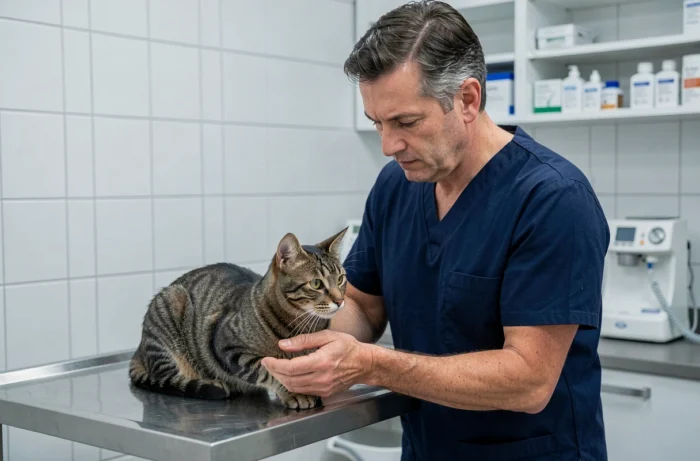
Animal Welfare Assessment: Welfare Quality Protocol and Field Limits
Assessing an animal’s welfare is not just about checking if it eats and sleeps. The Welfare Quality protocol, developed at the European level, is based on four principles: good feeding, good housing, good health, and appropriate behavior. These principles translate into measurable criteria on the animal itself (body condition, injuries, social interactions) rather than just its environment.
This animal-centered approach represents a methodological turning point. Measuring the area of an enclosure or the temperature of a building is not enough. It is necessary to observe whether the animal expresses normal behaviors for its species, and whether it shows signs of fear or chronic distress.
Field feedback diverges on this point. Breeders highlight the burdensome evaluation grids. Animal protection associations believe that the criteria remain too permissive on certain aspects (density in poultry farming, access to the outdoors). The available data does not allow for concluding that a single protocol satisfactorily covers the diversity of species and production systems.
Labels and Mentions in Farming: Analyzing What the Consumer Reads on the Label
The proliferation of labels and mentions related to animal welfare on food products creates documented confusion. Between official certifications (Label Rouge, Organic Farming) and private initiatives, consumers struggle to distinguish what falls under an audited specification and what is merely a commercial argument.
Some concrete guidelines for reading a poultry label:
- The Label Rouge requires outdoor access, a longer rearing duration, and a capped density, with controls by an independent organization.
- The mention “raised outdoors” on a standard chicken corresponds to less strict criteria than Label Rouge, particularly regarding the duration of outdoor access.
- Private “animal welfare” logos do not all have the same regulatory basis. Some rely on regular audits, while others depend on a simple declaration from the breeder.
Organizations like the Animal Rights Foundation warn about misleading logos that maintain an illusion of welfare without verifiable guarantees. The European regulation on animal welfare labeling, under discussion for several years, has yet to establish a harmonized framework.

Legal Status of Animals in France: Where is the Law
Since the 2015 law, the Civil Code recognizes animals as living beings endowed with sensitivity. This change in status, from “movable property” to sentient being, has had concrete effects on case law regarding custody, divorce (allocation of the animal), and criminal penalties.
The law of November 30, 2021, added several provisions:
- Progressive ban on wild animals in traveling circuses and dolphinariums.
- Mandatory commitment certificate before acquiring a pet, with a reflection period.
- Increased penalties for severe abuse and acts of cruelty.
However, the Rural Code continues to govern farm animals according to a productive logic, creating a legal tension between the recognition of sentience and the economic realities of the sectors. French law superimposes several regimes depending on the category of the animal (companion, farming, experimentation, wildlife), without true overall coherence.
The action plan of September 2026 attempts to bridge this gap, but the trade-offs between animal protection and agricultural competitiveness remain the main point of friction. The training of magistrates mentioned earlier could, in the long term, influence the interpretation of the texts as much as their drafting.