In France, those over 65 will represent nearly one-third of the population by 2040, according to INSEE. However, only 14% of seniors actually anticipate the necessary adaptations for their daily well-being. This gap between demographic projections and individual preparation raises concrete questions about access to information and the adoption of best practices.
Over the years, support systems, health-related advice, and innovative initiatives have multiplied, but they often remain on the margins or poorly identified. Taking the time to understand these resources offers the possibility of gaining autonomy, preserving quality of life, and approaching old age with greater confidence.
The major challenges and opportunities of aging well today
Retirement is no longer just a simple pause at the end of professional life. It becomes a playground for shaping a new chapter. In France, pension funds (CNRACL, Agirc-Arrco, CNAV, CCMSA) are multiplying actions to support seniors. Here are some concrete examples of this mobilization:
- aging well workshops, prevention actions, health assessments.
Their role is no longer limited to paying pensions. These organizations are investing in prevention and autonomy, with programs designed for both isolated elderly individuals and those who wish to launch new projects.
The publication of the Well-Aging Law in April 2024 marks a long-awaited turning point. This text affirms access to rights, assistance, and services for all, across the entire territory. However, disparities persist. In Bordeaux, during the National Day of Inter-Regional Social Action, the variety of needs was highlighted:
- adapted housing, prevention of loss of autonomy, digital support.
The pension funds, through widow’s pensions or retirement insurance, are deploying concrete responses to these diverse challenges.
Anticipate, save, make choices. Organizations like AGIPI highlight savings and life insurance solutions to prepare for the future. The PERP adds to this toolbox: numerous options to secure one’s path. But the question is not just about money. The collective enters the debate: how to build a society that fully recognizes the experience and voice of seniors? To learn more about Seniors Actu, explore news dedicated to the rights, innovations, and inspiring journeys of the elderly.
How to preserve health and autonomy over the years?
Preserving health and autonomy: this is the challenge to be met every day as one ages. It all starts with the contents of the plate. Here is a model to follow, recognized for its benefits:
- the Mediterranean diet, rich in fruits and vegetables, whole grains, fatty fish, and olive oil, limits red meat consumption and promotes the prevention of chronic diseases.
From the age of 60, this way of eating supports not only vitality but also memory and daily energy.
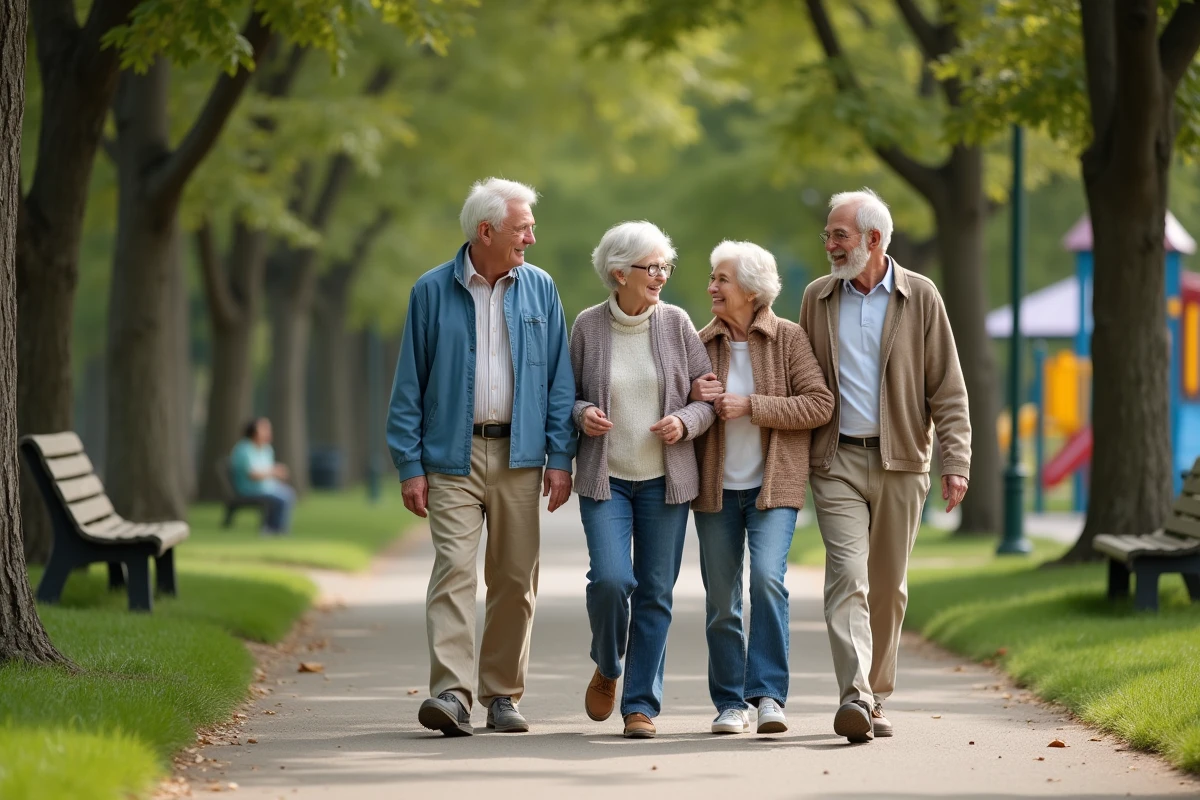
Regular physical activity is part of the foundation of aging well. Walking, swimming, yoga, tai chi, aquagym, cycling: all these disciplines maintain muscle strength, balance, and coordination. The aging well workshops offered by pension funds address these themes. Integrating group sessions also strengthens social ties, thus reducing isolation.
Another pillar: medical follow-up. Regular check-ups, vaccinations, fall prevention: these steps deserve your full attention. Health professionals assist in these stages, whether for maintaining home care or accessing technical aids like grab bars, shower seats, or digital solutions. Good sleep remains crucial: stable schedules, a conducive environment, and light management all contribute to restoring true quality of rest.
Let us not overlook cognitive stimulation. Memory workshops, brain games, creative or digital activities: engaging intellectually helps preserve abilities. Maintaining curiosity, learning continuously, sharing experiences: aging well is always enriched by new perspectives, between autonomy, prevention, and solidarity.
Concrete tips to enrich daily life and stay fulfilled in retirement
Retirement does not mean fading away. On the contrary, it is a privileged moment to reinvent one’s social life and cultivate personal fulfillment. Intellectual stimulation plays a key role. Here are some avenues to explore:
- reading, brain games, online learning (MOOCs), all of which are levers to maintain cognitive agility.
Collective workshops, whether offered locally or via videoconference, promote sharing and the maintenance of human connections.
The social network proves invaluable. Family, friends, senior clubs, associations: each relationship contributes to the feeling of fully existing. Getting involved in volunteering or mentoring allows for sharing and valuing one’s journey. Intergenerational workshops, currently on the rise, establish dialogue between ages and contribute to a more open and caring society.
Creative engagement and the desire to discover new horizons energize daily life. Painting, writing, music, photography, crafts: all these activities provide a space for expression and enhance self-confidence. Opening up to culture, participating in artistic events, or taking online workshops is also a way to break the routine and stimulate the imagination.
Managing stress and emotions should not be overlooked. Meditation, sophrology, gratitude, relaxation: these practices support mental balance. Engaging in civic life, sharing knowledge, exploring new places, or simply increasing local interactions is choosing to give meaning to each day.
The time of old age is not one of withdrawal: it is invented, experienced, and can open up to a thousand possibilities, provided one dares to step beyond the threshold of habits.